
PXG continues to expand its growing zero torque putter lineup with the introduction of the Mustang ZT. As zero torque putters become increasingly popular among golfers searching for more consistency on the greens, PXG has developed multiple models to suit different preferences and stroke styles. In this PXG Mustang ZT Putter Review, we take a closer look at one of the most traditional-looking zero torque putters currently available.
Unlike many zero torque putters that feature oversized mallet shapes, the Mustang ZT blends classic Anser-style shaping with modern stability enhancements. The result is a putter designed to appeal to golfers who prefer a more traditional look while still benefiting from zero torque technology.
This PXG Mustang ZT Putter Review explores the design, alignment, feel, forgiveness, and overall putting performance of PXG’s newest premium putter.
Table of Contents
What Is Zero Torque Technology in PXG Mustang ZT Putter Review?
Before diving deeper into this PXG Mustang ZT Putter Review, it is important to understand what zero torque technology actually means.
A zero torque putter is engineered to help the putter face remain square throughout the putting stroke. Traditional putters naturally encourage some degree of face opening and closing during the stroke, but zero torque designs aim to minimize that rotation.
The goal is to create a more stable putting motion that keeps the putter face aligned more consistently with the target line through impact.
During this PXG Mustang ZT Putter Review, the technology proved particularly useful on shorter putts where maintaining face angle is critical for accuracy.
PXG has already introduced several zero torque models, including the Bat Attack ZT, Allan ZT, and Hellcat ZT. The Mustang ZT now joins that lineup as a more compact and traditional alternative.
Design and Appearance in PXG Mustang ZT Putter Review
One of the standout aspects of this PXG Mustang ZT Putter Review is how traditional the putter looks compared to most zero torque designs.
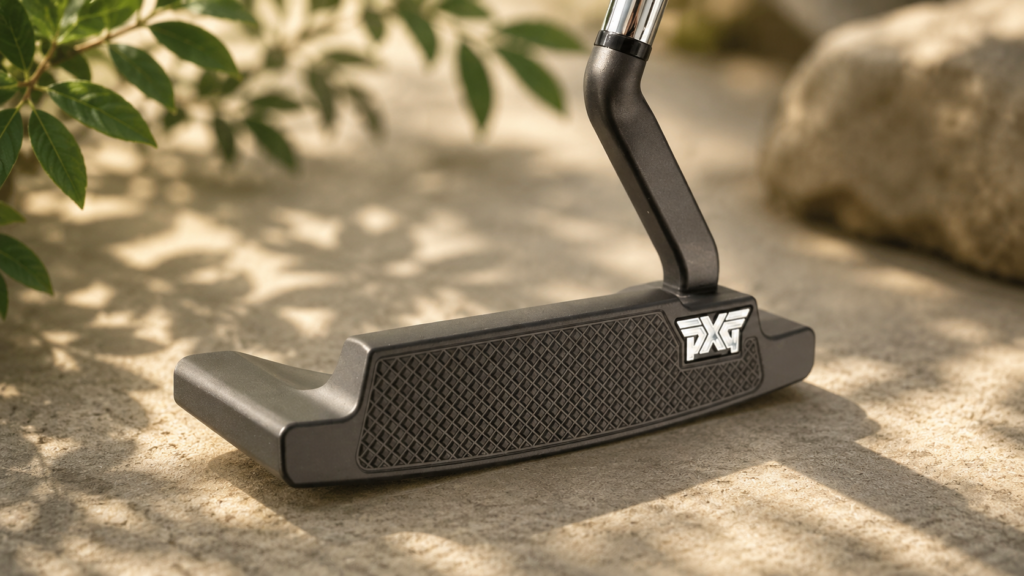
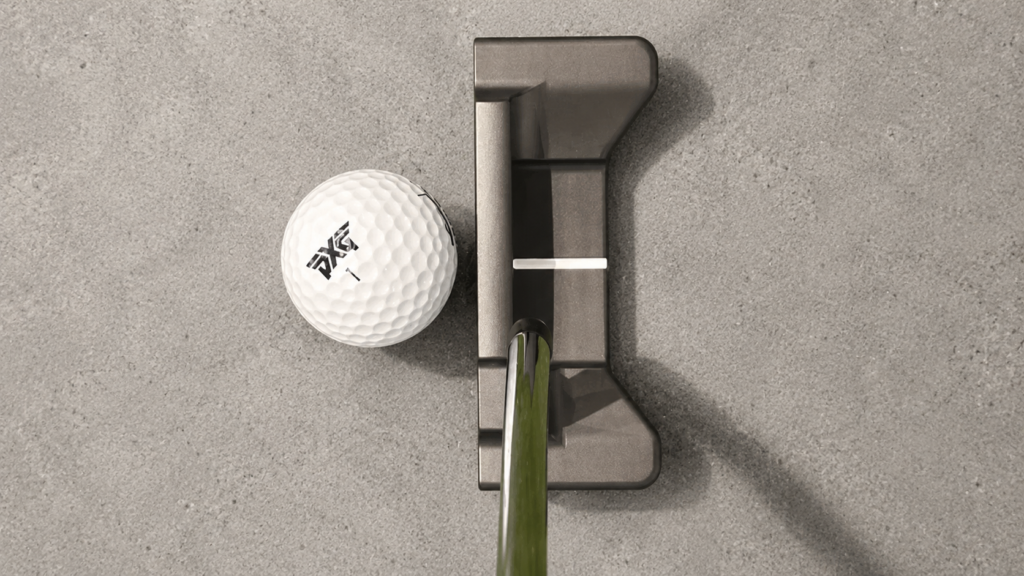
The Mustang ZT sits somewhere between a classic Anser blade and a compact fang-style mallet. Milled from premium 303 stainless steel, the putter retains the clean shape many golfers prefer while adding subtle winged bumpers for increased stability.
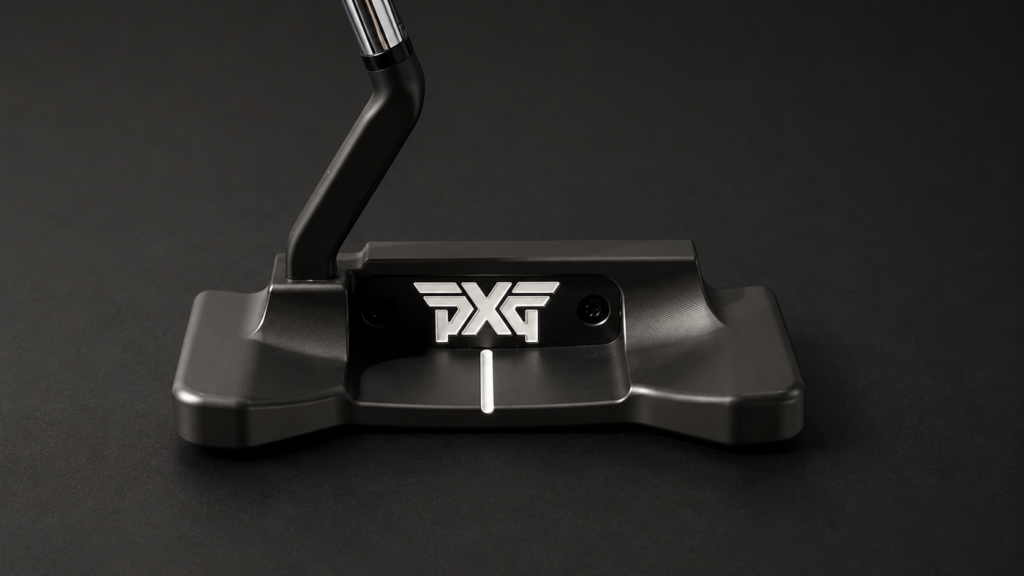
The mini wings positioned on each side of the rear section provide additional forgiveness without making the putter appear oversized.
At address, the putter looks very clean and confidence-inspiring. A small white alignment line positioned at the rear of the putter helps frame the target effectively, while the pronounced leading edge makes it easy to square the face to the intended line.
Unlike some futuristic zero torque putters, the Mustang ZT hides its technology exceptionally well. Golfers who dislike unconventional putter shapes may appreciate the more familiar appearance during this PXG Mustang ZT Putter Review.
Feel and Feedback in PXG Mustang ZT Putter Review
Feel is one of the most noticeable characteristics discussed throughout this PXG Mustang ZT Putter Review.
The putter features PXG’s ultra-thin face technology measuring just 0.055 inches thick. Combined with the company’s Pyramid Face Pattern, the design aims to improve consistency of contact and enhance forward roll.
Compared to softer insert putters, the Mustang ZT produces a much firmer sensation at impact.
Golfers transitioning from softer putters may initially find the feel surprisingly firm or even slightly harsh. However, the firmer response provides extremely clear feedback on strike quality.
During testing, center strikes felt solid and responsive, while mishits were immediately noticeable through the hands. Players with repeatable strokes may appreciate this direct feedback because it helps identify contact quality more precisely.
The putter also produces a crisp sound at impact, adding to the sensation of responsiveness.
Roll and Distance Control in PXG Mustang ZT Putter Review
The Pyramid Face Pattern plays a major role in the roll characteristics highlighted in this PXG Mustang ZT Putter Review.
The face pattern is designed to interact more consistently with golf ball dimples, helping reduce skid and promote smoother forward roll.
On shorter putts inside ten feet, the roll performance was excellent. The putter stayed remarkably stable through impact and consistently started putts online.
This is where the zero torque design truly stood out during testing. The square face stability inspired significant confidence on pressure putts from close range.
Distance control on longer putts proved slightly more challenging. The firmer face required some adjustment, especially on very fast greens. Lag putting consistency improved over time, but golfers switching from softer putters may need a short adaptation period.
Still, once the pace was understood, the roll quality remained very predictable and stable.
Forgiveness and Stability in PXG Mustang ZT Putter Review
Forgiveness is another important strength highlighted in this PXG Mustang ZT Putter Review.
Although the Mustang ZT looks relatively compact, the winged bumper design adds stability throughout the stroke. Off-center strikes maintained direction better than expected for a putter with a traditional profile.
The zero torque construction also helps reduce twisting through impact, keeping the face more stable during mishits.
Inside eight to ten feet, the putter felt extremely reliable and stable. Golfers who struggle with short-putt consistency may particularly benefit from the confidence created by the square face behavior.
However, because the putter provides such direct feedback, golfers with inconsistent strokes may initially need time to adjust to the firmer feel and enhanced responsiveness.
Custom Fitting Importance in PXG Mustang ZT Putter Review
One key takeaway from this PXG Mustang ZT Putter Review is the importance of custom fitting.
PXG offers multiple fitting options including adjustable sole weights, lie angle adjustments, and various shaft lengths. Because zero torque putters feel different compared to traditional designs, proper fitting becomes especially important.
The Mustang ZT also includes a built-in one-degree forward press setup, which may require a short adjustment period for some golfers.
During testing, the concept of the “reverse honeymoon phase” became very apparent. Many golfers initially struggle with zero torque putters before eventually improving as they adapt to the different stroke dynamics.
Golfers considering this putter should be prepared to spend time adjusting rather than expecting instant results.
Frequently Asked Questions
What is a zero torque putter?
A zero torque putter is designed to keep the face square throughout the putting stroke, reducing natural face rotation.
Is the PXG Mustang ZT suitable for blade putter fans?
Yes. According to this PXG Mustang ZT Putter Review, the Mustang ZT offers a traditional Anser-style appearance while still providing zero torque technology.
Does the PXG Mustang ZT feel firm?
Yes. The ultra-thin milled face creates a firmer and more responsive feel compared to softer insert putters.
Final Verdict
This PXG Mustang ZT Putter Review confirms that PXG has successfully created a zero torque putter that appeals to golfers who prefer traditional putter aesthetics.
The blend of classic Anser-inspired shaping, enhanced stability, premium milling, and zero torque technology makes the Mustang ZT one of the most interesting putters currently available.
While the firmer feel and unique stroke dynamics may require an adjustment period, golfers who commit to the transition could see significant improvements in short-putt consistency.
For players searching for a modern zero torque putter without the oversized mallet appearance, the PXG Mustang ZT deserves serious consideration.