
What Is the Whoop 3.0?
If you have ever wondered why your golf game feels sharp one day and sluggish the next, the Whoop 3.0 might have the answer.
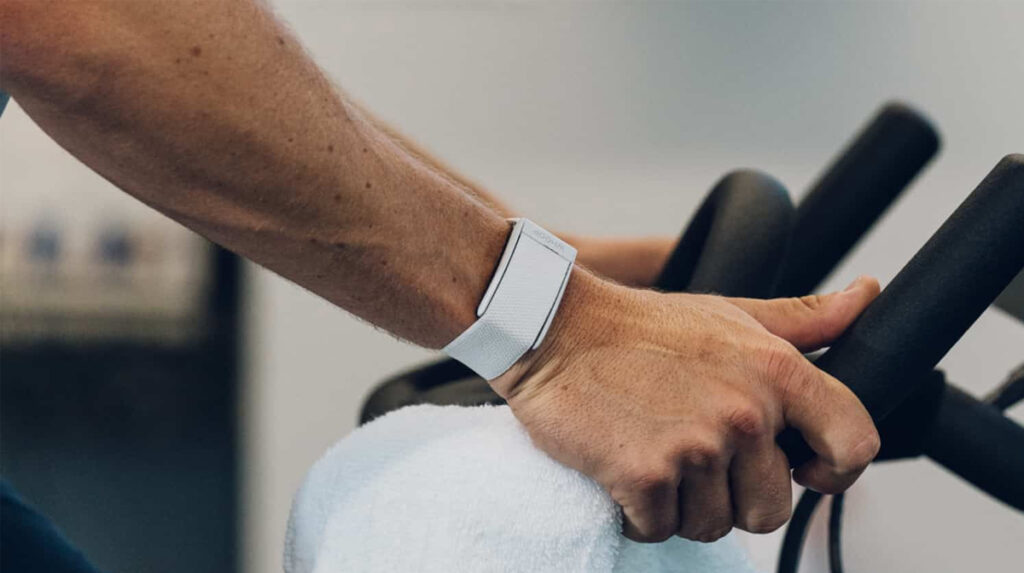
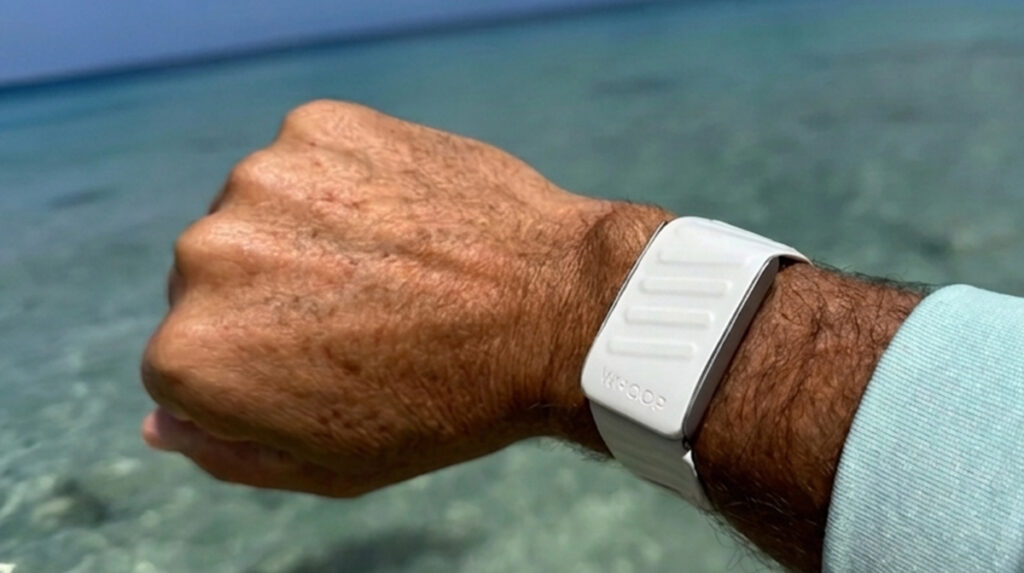
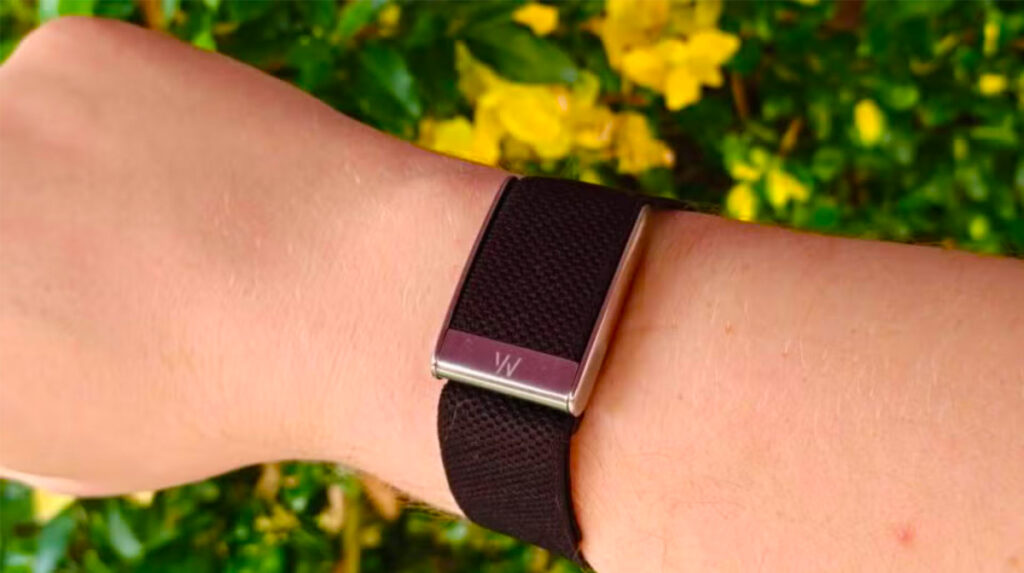
The Whoop 3.0 is a screenless, 24/7 health and performance monitoring wearable designed to go far beyond step counting. Developed by Will Ahmed, former captain of the Harvard men’s squash team, Whoop was built with one goal in mind: helping athletes and serious performers understand how their body recovers, sleeps, and responds to physical stress.
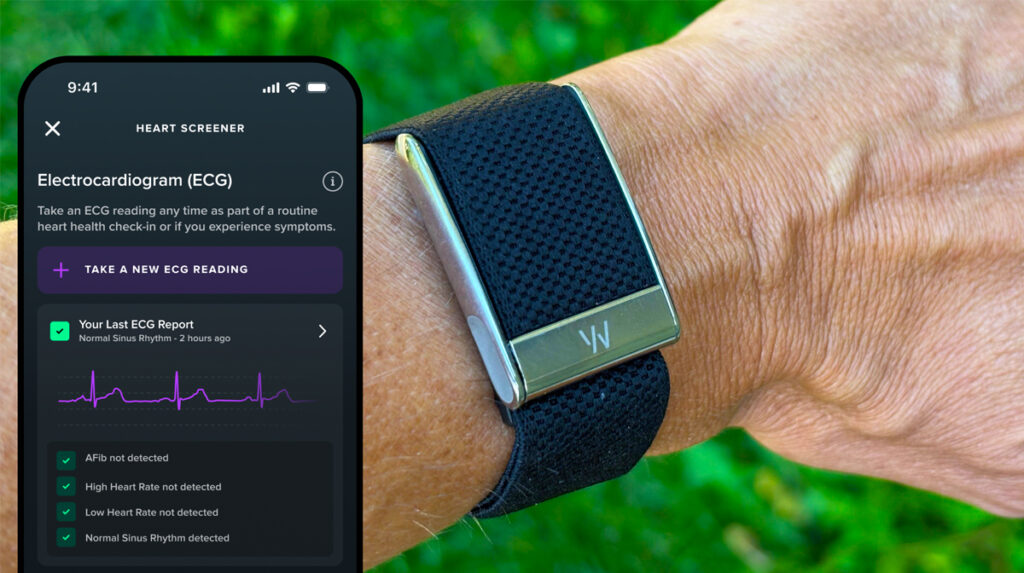
Unlike traditional smartwatches that flood you with notifications, the Whoop 3.0 quietly works in the background — syncing data to the Whoop mobile app and delivering three core performance metrics every single day:
- Recovery Score – How ready is your body to perform today?
- Strain Score – How much physical stress did you take on?
- Sleep Performance – How well did your body actually recover overnight?
For golfers, this data is not just interesting — it is game-changing.
Table of Contents
Key Features of the Whoop 3.0
1. Recovery Tracking Explained
Your daily Recovery Score is the heart of the Whoop system. It is calculated using heart rate variability (HRV), resting heart rate, sleep performance, and respiratory rate.
The score is color-coded:
- Green (67–100%) – Your body is primed. Push hard today.
- Yellow (34–66%) – Moderate readiness. Proceed with awareness.
- Red (0–33%) – Your body needs rest. Don’t force it.
For golfers, this is incredibly relevant. Playing 18 holes when your body is in the red zone increases the risk of fatigue-driven swing errors and mental lapses on the back nine.
2. Sleep Coaching and Analysis
Whoop does not just track how long you sleep — it breaks down your sleep into light, REM, and slow-wave (deep) sleep stages. Each morning, the app shows your Sleep Performance score and tells you exactly how much sleep you need tonight to reach full recovery.
This sleep coaching feature is one of the most underrated tools for golfers. Research consistently links poor sleep to reduced reaction time, inconsistent muscle control, and poor decision-making — all of which directly impact your golf game.
3. Strain Measurement and Activity Tracking
Every physical activity you engage in — whether it is a gym session, a round of golf, a long walk, or even daily stress — contributes to your overall Strain Score. Whoop tracks this using continuous heart rate monitoring.
This helps golfers understand something crucial: golf is more physically demanding than most people think. Carrying a bag for 18 holes, swinging hundreds of times during practice, and managing the mental stress of competition all add up.
Knowing your strain level means you can train and play smarter — not just harder.
4. Whoop Journal – Habit Tracking for Performance
The Whoop Journal is a daily logging feature that lets you record lifestyle habits such as:
- Alcohol consumption
- Caffeine intake
- Nutrition and hydration
- Meditation or stress management
- Pre-round warm-up routines
Over time, Whoop’s AI surfaces patterns — for example, showing you that your recovery score drops 15 points the morning after even one drink, or that consistent stretching correlates with better sleep efficiency. These insights are personalised and genuinely useful for performance-focused golfers.
Whoop 3.0 for Golfers – Does It Actually Help?
This is the big question. The short answer is yes — but with an important caveat.
Golf performance is not just a technical skill. It is deeply connected to:
- Physical readiness – Are your muscles recovered from yesterday’s round or gym session?
- Mental clarity – Sleep deprivation reduces focus, course management, and composure under pressure.
- Energy consistency – Fatigued golfers fade on the back nine. Well-recovered golfers maintain swing consistency throughout.
Whoop directly addresses all three of these factors. Here is how serious golfers use it:
Before a tournament: Whoop helps players identify how many days of rest and light activity they need to arrive with a green recovery score on competition day.
During a training block: It signals when to back off practice intensity to avoid overtraining and injury.
For sleep optimisation: Knowing exactly how much slow-wave sleep you are getting helps you identify whether your pre-round routine (late dinners, screen time, alcohol) is hurting your performance the next morning.
Professional golfer Justin Thomas has publicly spoken about using Whoop to better understand his recovery and performance balance — a strong endorsement for serious amateur golfers who want to train like the pros.
Whoop 3.0 Pros and Cons
| Pros | Cons |
|---|---|
| Deep, personalised recovery insights | Requires a monthly subscription |
| Excellent sleep stage tracking | No display screen — app-dependent |
| Useful for golf-specific performance | Takes 3–4 weeks to build baseline data |
| Trusted by elite professional athletes | Less useful for casual, occasional golfers |
| Screenless design — no distractions | No GPS or standalone workout features |
| 24/7 continuous tracking |
Who Should Buy the Whoop 3.0?
Whoop 3.0 is ideal for:
- Competitive amateur and professional golfers
- Golfers who play regularly (2+ times per week)
- Athletes managing training load alongside golf
- Anyone serious about sleep optimisation and recovery
Whoop 3.0 is probably not for:
- Casual golfers who play once a month
- Users who want a smartwatch with notifications
- People who prefer a simple step tracker
- Those unwilling to engage with the app daily
Real User Experiences
The most consistent feedback from long-term Whoop users centres on one theme: it changes how you think about rest.
One amateur golfer shared that after tracking with Whoop for a few months, they finally understood the direct link between their sleep quality and on-course consistency. A competitive player reported resting more strategically before tournaments and noticing significantly more stable energy levels throughout rounds.
A fitness user summed it up well — Whoop does not just track what you do, it teaches you how your body responds to stress and recovery over time.
These testimonials reflect a broader pattern: the real value of Whoop only reveals itself after consistent use of three to four weeks, once a personalised baseline is established.
Is the Whoop 3.0 Worth the Subscription Cost?
The Whoop 3.0 operates on a membership model — the device itself is free with a subscription, which typically runs around $30/month (or less on annual plans). For casual users, this can feel like a steep commitment.
However, for golfers and athletes who genuinely use the data, the value proposition is strong. Consider the cost against:
- A single lesson with a golf coach
- A sports nutritionist consultation
- A physiotherapy session
Whoop delivers ongoing, personalised physiological insights every single day. If you use it consistently and act on the data, the subscription pays for itself in improved performance and reduced injury risk.
Important note: Whoop data is intended as informational and should not replace professional medical advice. Results vary based on individual physiology. Always consult a healthcare professional if health metrics raise concerns.
Final Verdict
The Whoop 3.0 is not for everyone — and it does not try to be.
It is a serious performance optimisation tool built for people who want to understand their body at a deeper level. For golfers, it fills a gap that no other wearable currently addresses: the connection between recovery, sleep, and on-course performance.
If you are a competitive or committed golfer looking to gain a genuine edge, the Whoop 3.0 is one of the most powerful tools you can add to your game — not in your bag, but on your wrist.
Overall Rating: 4.5 / 5
FAQs About Whoop 3.0
What does the Whoop 3.0 actually track?
It tracks recovery score, sleep performance (including sleep stages), and strain using continuous heart rate and heart rate variability monitoring.
Is the Whoop 3.0 good for golfers specifically?
Yes. It helps golfers monitor physical readiness, understand how sleep quality affects consistency, and manage training load to avoid fatigue and injury.
Does the Whoop 3.0 have a screen?
No. It is a screenless device. All data is accessed through the Whoop mobile app on iOS or Android.
How long before you see results with Whoop 3.0?
Most users need 3–4 weeks of consistent wear to establish an accurate personal baseline. Results and insights improve with time.
Is Whoop 3.0 worth paying for?
For serious golfers and athletes, yes. The daily recovery and sleep insights provide ongoing value that goes well beyond what a standard fitness tracker offers.
What is the difference between Whoop 3.0 and Whoop 4.0?
The Whoop 4.0 is smaller, has an improved sensor array, better battery life, and added features like skin temperature tracking. The 3.0 remains a capable option for core recovery and sleep metrics.